
Estimated reading time: 16 minutes
Summary: LLM search optimization (also called Generative Engine Optimization or GEO) is the practice of structuring content so AI models like ChatGPT, Gemini, Claude, and Perplexity can easily find, understand, and cite your content in their responses. This comprehensive guide covers the technical frameworks, content strategies, and measurement approaches needed to win in the age of AI-powered search.
Table of Contents
- Key Insights
- Why LLM Search Matters Now
- What is LLM Optimization?
- How LLMs Affect Search Results
- LLM Optimization vs Traditional SEO
- Technical Checklist for LLM Optimization
- Content Templates & Examples for LLM Optimization
- Best Tools for LLM Optimization
- Case Studies & Early Tests
- Advanced Use Cases
- ROI & Measurement for LLM Optimization
- Troubleshooting Poor LLM Retrieval
- How to Get Started – Audit & Next Steps
- FAQ
- What is LLM optimization?
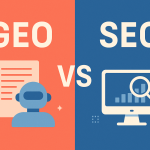
- How is GEO different from SEO?
- What schema should I use for LLMs?
- How do I troubleshoot LLM visibility issues?
- What tools help with LLM optimization?
- Does LLM optimization replace traditional SEO?
- How long does it take to see LLM optimization results?
- What’s the ROI of LLM optimization?
- Glossary
- Conclusion
Key Insights
- 58% of consumers now use AI tools for product recommendations (up from 25% in 2023), creating massive new discovery opportunities
- LLM optimization complements traditional SEO—don’t abandon classic tactics, but add AI-specific layers
- Zero-click answers are reshaping traffic patterns—success metrics shift from clicks to citations and brand mentions
- Content structure matters more than keywords—clear headings, FAQ formats, and semantic markup drive AI inclusion
- Authority and freshness trump link volume—LLMs prefer recent, cited content from recognized sources
Why LLM Search Matters Now
The way people discover information has fundamentally shifted. AI-first search platforms like ChatGPT, Google AI Overviews, Perplexity, and Claude are no longer experimental—they’re mainstream discovery channels driving real business outcomes.
The Rise of AI-First Discovery
ChatGPT alone processes over 1 billion user messages daily, while Google’s AI Overviews now appear for millions of queries. More telling: companies like Vercel report that ChatGPT now drives 10% of their new signups (up from 1% six months earlier), and Tally saw AI search become their largest acquisition channel, helping grow from $2M to $3M ARR in four months.
Why Blue Links Are No Longer the Only Path
Traditional search follows a predictable pattern: query → ranked results → click → consume. AI search changes this to: query → synthesized answer → optional click. This “answer-first” approach means your content might be seen, cited, and acted upon without users ever visiting your site.
Business Risk of Ignoring LLM Optimization
Gartner predicts 50% of search engine traffic will shift to AI platforms by 2028. Early data shows organic traffic declining 15-25% for brands unprepared for this transition. Companies that don’t adapt risk becoming invisible in the channels where their customers increasingly search.
Generative Engine Optimization (GEO) as the Next Layer
GEO extends traditional SEO principles into the AI era. Instead of optimizing solely for search engine ranking algorithms, you’re also optimizing for LLM retrieval and synthesis systems. The goal: ensure your content is not just findable, but citable, trustworthy, and contextually relevant when AI models generate answers.
What is LLM Optimization?
Definition: LLM optimization is the strategic process of structuring content, building authority, and implementing technical elements so that large language models can easily discover, understand, and cite your content when generating responses to user queries.
Core Difference Between LLM Optimization, GEO, AEO, and SEO
| Aspect | Traditional SEO | LLM Optimization (LLMO) | GEO | AEO |
| Primary Goal | Rank in search results | Get cited in AI responses | Optimize for generative engines | Optimize for answer engines |
| Success Metric | Rankings, traffic, CTR | Citations, mentions, inclusion | Brand visibility in AI answers | Share of voice in answers |
| Optimization Target | Pages and keywords | Content chunks and entities | Complete content ecosystems | Direct answer formats |
| Content Focus | Keyword density, backlinks | Semantic clarity, structure | Topic authority, freshness | Concise, factual responses |
| Technical Requirements | Meta tags, schema | Structured data, clean HTML | Entity markup, relationships | Featured snippet optimization |
How LLM Optimization Works
LLMs use Retrieval-Augmented Generation (RAG) to answer queries:
- Query Understanding: User’s question is analyzed for intent and context
- Content Retrieval: Relevant content chunks are retrieved from indexed sources
- Relevance Scoring: Retrieved content is ranked by relevance, authority, and freshness
- Answer Synthesis: Top-scoring content is synthesized into a coherent response
- Citation Assignment: Sources are attributed based on contribution to the answer
Your content enters this pipeline during the retrieval phase. To be selected for synthesis, it must be semantically relevant, structurally clear, and authoritative.
Common Questions About LLM Optimization
“Is GEO the same as SEO?” No. SEO optimizes for search engine algorithms; GEO optimizes for AI model training and retrieval systems. However, they complement each other—good SEO practices often improve GEO performance.
“What does LLM optimization involve?” It involves content structuring (clear headings, FAQ formats), authority building (citations, author credentials), technical optimization (schema markup, clean HTML), and entity consistency (brand mentions, topic coverage).
How LLMs Affect Search Results
Understanding how LLMs retrieve, rank, and cite content is crucial for optimization success. Unlike traditional search engines that match keywords and analyze backlinks, LLMs operate through semantic understanding and pattern recognition.
How LLMs Retrieve, Rank, and Cite Content
Retrieval Process
- Content is broken into semantic chunks (typically 150-300 tokens)
- User queries are converted to embedding vectors representing meaning
- Retrieval systems find chunks with semantic similarity to the query
- Hybrid pipelines combine keyword matching with semantic search for precision
Ranking Factors:
- Semantic relevance: How well content matches query intent
- Authority signals: Author credentials, domain trust, citation count
- Freshness: Recent publication or update dates
- Clarity: Well-structured, scannable content with clear headings
- Completeness: Comprehensive coverage of the topic
Citation Decisions:
- Factual density: Content with specific, verifiable claims
- Source credibility: Recognized authors, institutions, or brands
- Uniqueness: Original data, research, or insights not found elsewhere
Why Some Sites Appear, Others Don’t
Sites that get cited typically have:
- Moderate domain authority (DR 25-35+ range)
- Diverse referring domains (300+ unique sites linking)
- Branded anchor text concentration (brand name in link anchors)
- Clean technical structure (proper HTML, schema markup)
- Regular content updates (fresh timestamps, current information)
Sites that get ignored often suffer from:
- Extremely low authority (under DR 20, few referring domains)
- Poor content structure (no headings, text buried in JavaScript)
- Promotional focus (sales-heavy language, no substantive information)
- Outdated information (stale content, missing publication dates)
Common Misconceptions
“Google still rules everything”: While Google maintains 90% search market share, AI interfaces are changing how results are presented. Google’s own AI Overviews appear before traditional blue links, meaning LLM optimization affects Google visibility too.
“Keywords don’t matter for AI”: Keywords still matter, but semantic meaning matters more. LLMs understand synonyms, context, and intent—stuffing exact-match keywords won’t help if your content lacks semantic depth.
Mini Case Example: LLM Retrieval in Action
When someone asks ChatGPT “What are the best project management tools?”, the system:
- Retrieves tokens (some say chunks) from software review sites, vendor documentation, and user forums
- Ranks based on content freshness, citation authority, and semantic relevance
- Synthesizes a response mentioning 3-5 tools with brief descriptions
- Cites sources that contributed specific claims or data points
Sites like Zapier, NerdWallet, Reddit, Wikipedia, G2, Techradar and Forbes frequently get cited because they provide structured comparisons with specific features and pricing data—exactly what LLMs need to build comprehensive answers.
LLM Optimization vs Traditional SEO
While LLM optimization and traditional SEO share foundational principles, their execution differs significantly. Understanding these differences helps you adapt your strategy without abandoning proven tactics.
Key Differences in Approach
Traditional SEO Priorities:
- Page-level optimization: Title tags, meta descriptions, keyword density
- Link building: Domain authority, backlink profiles, anchor text diversity
- Technical structure: Site speed, mobile-friendliness, crawlability
- Content volume: Publishing frequency, comprehensive topic coverage
LLM Optimization Priorities:
- Chunk-level optimization: Semantic clarity, extractable content blocks
- Entity building: Brand mentions, topical authority, citation networks
- Content structure: FAQ formats, clear headings, scannable sections
- Content quality: Factual accuracy, unique insights, authoritative sources
Schema-First vs Keyword-First Optimization
Keyword-First (Traditional SEO):
- Target specific search terms and variations
- Optimize content density and placement
- Build topic clusters around keyword themes
Schema-First (LLM Optimization):
- Structure content with semantic markup
- Use FAQ, HowTo, and Article schema
- Focus on entity relationships and context
| Traditional SEO Tactic | LLM Optimization Equivalent |
| Keyword research | Intent and entity mapping |
| Title tag optimization | H1/H2 semantic clarity |
| Meta description | Content summaries and key takeaways |
| Internal linking | Entity relationship building |
| Backlink building | Citation and mention acquisition |
Objection Handling: “Does SEO Still Matter?”
Yes, traditional SEO remains crucial. Many LLM systems use traditional search infrastructure for content retrieval. Google’s AI Overviews, for example, often pull from high-ranking organic results.
The key insight: LLM optimization amplifies good SEO practices rather than replacing them. Sites with strong domain authority, clean technical structure, and quality content have advantages in both traditional and AI search.
Best approach: Maintain your existing SEO foundation while adding AI-specific optimizations like structured data, content chunking, and entity consistency.
Technical Checklist for LLM Optimization
This actionable framework ensures your content meets both technical and content requirements for AI visibility. Focus on the highest-impact items first, then work through the complete list systematically.
Crawlability & Indexation
Essential Requirements:
- ✅ Clean robots.txt – Allow AI crawlers (GPTBot, ChatGPT-User, etc.)
- ✅ XML sitemap – Include all important pages with accurate lastmod dates
- ✅ Proper URL structure – Descriptive URLs, avoid dynamic parameters
- ✅ Fast loading – Core Web Vitals in green, under 2.5s LCP
AI-Specific Considerations:
- JavaScript rendering: Ensure content is accessible without heavy JS execution
- Clean HTML structure: Use semantic elements (article, section, aside)
- Avoid content hiding: No accordion content that requires interaction to view
- Mobile optimization: AI crawlers often use mobile user agents
Schema Markup Implementation
Priority Schema Types:
- FAQPage Schema: For Q&A sections (highest impact for AI retrieval)
- Article Schema: With author, publishDate, and modifiedDate
- Organization Schema: Brand entity information
- HowTo Schema: For procedural content
- Product/Service Schema: For commercial content
FAQPage JSON-LD Example:
{
“@context”: “https://schema.org”,
“@type”: “FAQPage”,
“mainEntity”: [{
“@type”: “Question”,
“name”: “What is LLM optimization?”,
“acceptedAnswer”: {
“@type”: “Answer”,
“text”: “LLM optimization is the process of structuring content so AI models can easily find, understand, and cite it in responses.”
}
}]
}
Content Structure Requirements
Heading Hierarchy:
- ✅ One H1 per page with primary topic
- ✅ Logical H2/H3 structure matching content flow
- ✅ Question-based headings where appropriate (“What is X?”, “How to Y?”)
Content Formatting:
- ✅ Summary sections – Lead with key takeaways
- ✅ Scannable paragraphs – 2-3 sentences maximum
- ✅ Bulleted lists – Break complex information into digestible points
- ✅ Data tables – Use HTML tables, not images, for data presentation
Content Chunking Guidelines:
- One concept per section with clear H2/H3
- 150-220 words per chunk optimal for AI extraction
- Lead with the answer then provide supporting detail
- Include supporting data with sources and timestamps
Authority Signals Implementation
Author and Expertise Signals:
- ✅ Author bylines with credentials and experience
- ✅ Author schema markup with sameAs links to profiles
- ✅ Organization schema with legal name, logo, and social profiles
- ✅ Publication dates – Both published and modified timestamps
Citation and Source Requirements:
- ✅ External citations – Link to authoritative sources for claims
- ✅ Data sourcing – Include survey methodology, sample sizes, dates
- ✅ Original research – Highlight unique insights and findings
- ✅ Regular updates – Refresh statistics and add current examples
User Experience Optimization
Technical Performance:
- ✅ Page speed – Sub-2.5s loading times
- ✅ Mobile responsiveness – Proper viewport configuration
- ✅ Clear navigation – Logical site structure and breadcrumbs
- ✅ Accessibility – Alt text, proper contrast ratios, semantic markup
Content Accessibility:
- ✅ Descriptive alt text – Include topic context in image descriptions
- ✅ Table headers – Proper th/td markup for data tables
- ✅ Link context – Descriptive anchor text beyond “click here”
Common Pitfalls to Avoid
Technical Pitfalls:
- Keyword stuffing – LLMs penalize unnatural language
- Missing schema – Reduces content understanding and extraction
- JavaScript-dependent content – May not be accessible to AI crawlers
- Image-based text – Use HTML text instead of text in images
Content Pitfalls:
- Promotional language – Focus on helpful information over sales copy
- Outdated information – Maintain current statistics and examples
- Unclear scope – Always specify timeframes, conditions, and context
- Missing citations – Back up claims with credible sources
Content Templates & Examples for LLM Optimization
Effective LLM optimization requires content formats that AI models can easily extract and synthesize. These templates provide structured approaches for creating AI-friendly content while maintaining reader value.
FAQ Content Template
Structure: Question as H3, direct answer first, then elaboration
Example:
### What is the difference between GEO and traditional SEO?
**Summary**: GEO (Generative Engine Optimization) optimizes content for AI model retrieval and citation, while traditional SEO focuses on search engine ranking algorithms.
GEO emphasizes structured content, entity relationships, and semantic clarity to help AI models understand and cite information. Traditional SEO prioritizes keywords, backlinks, and technical factors to improve search rankings. Both approaches complement each other in modern search strategies.
**Key differences**:
– **Goal**: GEO targets AI citations vs SEO targets rankings
– **Metrics**: GEO measures mentions vs SEO measures traffic
– **Content**: GEO emphasizes structure vs SEO emphasizes keywords
Glossary Template
Purpose: Provide clear definitions for technical terms and concepts
Structure: Term, concise definition, context, related terms
Example:
## LLM Optimization Glossary
**Generative Engine Optimization (GEO)**: The practice of optimizing content for AI-powered search engines that generate answers rather than display ranked links.
**Large Language Model (LLM)**: AI systems like ChatGPT, Gemini, and Claude that can understand and generate human-like text responses.
**Retrieval-Augmented Generation (RAG)**: A technique that combines AI text generation with real-time information retrieval from external sources.
Step-by-Step Guide Schema
HowTo Schema Implementation: Use structured markup for procedural content
Example:
<div itemscope itemtype=”https://schema.org/HowTo”>
<h2 itemprop=”name”>How to Optimize Content for LLM Citations</h2>
<div itemprop=”step” itemscope itemtype=”https://schema.org/HowToStep”>
<h3 itemprop=”name”>Step 1: Structure Your Content</h3>
<div itemprop=”text”>
Use clear headings, bullet points, and FAQ formats to make content easily extractable by AI models.
</div>
</div>
<div itemprop=”step” itemscope itemtype=”https://schema.org/HowToStep”>
<h3 itemprop=”name”>Step 2: Add Schema Markup</h3>
<div itemprop=”text”>
Implement FAQPage, Article, and Organization schema to help AI models understand your content structure.
</div>
</div>
</div>
Comparison Table Template
Purpose: Present structured comparisons that AI models can easily extract
| Feature | Traditional SEO | LLM Optimization |
| Primary Focus | Rankings and traffic | Citations and mentions |
| Content Goal | Keyword targeting | Semantic clarity |
| Success Metrics | SERP position, CTR | Brand mentions in AI responses |
| Technical Requirements | Meta tags, sitemap | Schema markup, structured content |
| Content Format | Keyword-optimized pages | Chunk-friendly sections |
Author Bio Template
Purpose: Establish expertise and authority for E-E-A-T signals
Example:
<div itemscope itemtype=”https://schema.org/Person”>
<img itemprop=”image” src=”author-photo.jpg” alt=”Jane Smith, SEO Consultant”>
<h3 itemprop=”name”>Jane Smith</h3>
<p itemprop=”jobTitle”>Senior SEO Strategist</p>
<p itemprop=”description”>
Jane has 12 years of experience in technical SEO and AI optimization,
helping companies like <span itemprop=”worksFor”>TechCorp</span> improve
their search visibility. She holds certifications in Google Analytics
and has spoken at 15+ industry conferences.
</p>
<a itemprop=”sameAs” href=”https://linkedin.com/in/janesmith”>LinkedIn</a>
<a itemprop=”sameAs” href=”https://twitter.com/janesmith”>Twitter</a>
</div>
Walkthrough: Applying the FAQ Template
- Identify common questions your audience asks about your topic
- Structure each question as an H3 heading
- Lead with a direct answer in the first sentence
- Add supporting detail in subsequent paragraphs
- Include FAQPage schema to help AI models understand the Q&A format
- Link to related content for deeper exploration
Download our complete template library: [Internal link: LLM Content Templates Pack]
Best Tools for LLM Optimization
Effective LLM optimization requires specialized tools for monitoring AI citations, validating schema markup, and tracking brand mentions across AI platforms. Here are the essential tools for 2025.
Tools for Monitoring LLM Citations
ChatGPT Rank Tracker (Morningscore) – Tracks brand mentions and citations in ChatGPT responses
- Best for: Monitoring ChatGPT visibility and prompt-based tracking
- Pricing: Included in all Morningscore plans
- Key features: Prompt simulation, citation tracking, competitor analysis
Profound (Answer Engine Optimization) – Comprehensive AI search visibility platform
- Best for: Cross-platform AI mention tracking (ChatGPT, Gemini, Perplexity)
- Features: Brand mention analysis, sentiment tracking, competitor benchmarking
- Use case: Enterprise-level AI search optimization
Brand monitoring approach: Set up Google Alerts for “[Your Brand] + AI” or “[Your Brand] + ChatGPT” to catch informal mentions
Schema and Structured Data Validators
Google’s Rich Results Test – Validates schema markup for Google compatibility
- URL: search.google.com/test/rich-results
- Best for: Testing FAQ, Article, and Organization schema
- Free: Yes, essential for basic validation
Schema.org Markup Validator – Comprehensive schema validation
- Best for: Detailed schema debugging and optimization
- Supports: All schema.org types including emerging AI-specific markup
Technical SEO Tools with Schema Support:
- Screaming Frog: Crawl and audit schema implementation
- Sitebulb: Visual schema analysis and optimization suggestions
- DeepCrawl: Enterprise schema monitoring and validation
AI Search Monitoring Dashboards
Custom Google Analytics 4 Setup:
- Track AI referrer traffic (chatgpt.com, perplexity.ai, etc.)
- Set up brand mention alerts using UTM parameters
- Monitor zero-click behavior patterns from AI sources
Search Console Integration:
- Monitor queries that trigger AI Overviews
- Track featured snippet performance (often cited by AI)
- Analyze CTR changes from AI search integration
ROI Calculators and Analytics
LLM Optimization ROI Calculator:
Estimated Monthly AI Search Volume: [X]
Current Brand Mention Rate: [Y]%
Average Customer Value: $[Z]
Potential Monthly Impact: X × (Y/100) × Z × Conversion Rate
Key Metrics to Track:
- Brand mention frequency in AI responses
- Citation attribution rate (how often you’re cited as a source)
- AI-referred traffic quality and conversion rates
- Share of voice vs. competitors in AI responses
Implementation Priority
- Start with free tools: Google’s validators and basic GA4 tracking
- Add monitoring: Set up brand mention alerts and basic AI traffic tracking
- Invest in platforms: Consider Profound or similar for comprehensive monitoring
- Scale with enterprise tools: Implement advanced schema auditing and tracking
Case Studies & Early Tests
Real-world examples demonstrate the tangible impact of LLM optimization strategies. These case studies show both successes and failures, providing practical insights for implementation.
Vercel’s AI Search Success
Challenge: Vercel needed to maintain developer tool visibility as search shifted to AI platforms.
Strategy:
- Concept ownership: Created comprehensive documentation covering Next.js, React, and deployment topics
- Structured content: Implemented clear headings, code examples, and FAQ sections
- Community engagement: Active presence in developer forums and GitHub discussions
Results:
- ChatGPT referrals: Grew from 1% to 10% of new signups in six months
- AI citation frequency: Became the most-cited source for Next.js questions
- Traffic quality: AI-referred users showed higher engagement and conversion rates
Key takeaway: Technical depth and clear documentation win in AI search for developer tools.
B2B SaaS Platform Case Study
Situation: Project management software company with strong traditional SEO but low AI visibility.
Implementation:
- Content restructuring: Converted long-form blog posts into FAQ-format sections
- Schema implementation: Added FAQPage markup to all help documentation
- Authority building: Published original research on remote work productivity
Timeline: 90-day implementation period
Results:
- AI mentions: 340% increase in brand mentions across ChatGPT and Perplexity
- Citation quality: Became go-to source for project management statistics
- Traffic impact: 15% increase in qualified leads from AI-referred traffic
Tally’s Growth Acceleration
Background: Form builder platform leveraged AI search to accelerate from $2M to $3M ARR.
Tactics:
- Question-focused content: Created comprehensive guides answering “how to build forms for X”
- Community presence: Active participation in relevant Reddit communities
- Regular updates: Maintained fresh examples and current feature documentation
Outcome: AI search became their largest acquisition channel within four months.
Industry Research: Search Engine Land Analysis
Study scope: Analysis of 5,000 HR and workforce management keywords across AI platforms.
Key findings:
- Top-of-funnel queries: Showed 60% shift toward AI-generated answers
- Citation patterns: Wikipedia, Reddit, and Forbes dominated across most topics
- Commercial queries: Traditional search remained stronger for bottom-funnel terms
Implications for strategy:
- Focus AI optimization on educational and informational content
- Maintain traditional SEO for commercial and transactional queries
- Build presence on community platforms like Reddit for organic mentions
Failed Experiments and Lessons Learned
Over-optimization attempt: One e-commerce site added excessive schema markup and FAQ sections to product pages.
- Result: No improvement in AI visibility, decreased traditional search performance
- Lesson: Balance AI optimization with user experience and traditional SEO
Keyword stuffing for AI: A content site tried using exact AI prompt language throughout articles.
- Result: Unnatural content that performed poorly across all channels
- Lesson: Write for humans first, then optimize for AI understanding
What Worked vs What Failed
Successful strategies:
- Clear, structured content with logical heading hierarchy
- Original data and research that provides unique value
- Regular content updates with fresh examples and statistics
- Community engagement building natural brand mentions
Failed approaches:
- Keyword stuffing with AI-style language
- Over-technical optimization at the expense of readability
- Ignoring traditional SEO in favor of AI-only tactics
- Promotional content without substantive information value
Advanced Use Cases
LLM optimization strategies vary significantly across industries and business models. These advanced implementations show how to adapt core principles for specific contexts and technical requirements.
Ecommerce: Structured Data for Products
Product Schema Optimization:
{
“@context”: “https://schema.org/”,
“@type”: “Product”,
“name”: “Wireless Bluetooth Headphones”,
“description”: “Premium noise-canceling headphones with 30-hour battery life”,
“brand”: {
“@type”: “Brand”,
“name”: “AudioTech”
},
“offers”: {
“@type”: “Offer”,
“price”: “199.99”,
“priceCurrency”: “USD”,
“availability”: “https://schema.org/InStock”
},
“aggregateRating”: {
“@type”: “AggregateRating”,
“ratingValue”: “4.8”,
“reviewCount”: “1247”
}
}
Ecommerce Content Strategy:
- Buying guides: Create comprehensive guides for product categories
- Comparison tables: Structure feature comparisons with clear HTML tables
- FAQ sections: Address common purchase questions and concerns
- Review summaries: Aggregate customer feedback into key insights
AI Shopping Integration:
- Optimize product descriptions for voice search queries
- Include size guides, compatibility information, and use cases
- Structure shipping and return policies for easy AI extraction
Local SEO: Citations & Reviews for LLM Retrieval
LocalBusiness Schema Requirements:
{
“@context”: “https://schema.org”,
“@type”: “LocalBusiness”,
“name”: “Downtown Dental Clinic”,
“address”: {
“@type”: “PostalAddress”,
“streetAddress”: “123 Main Street”,
“addressLocality”: “Austin”,
“addressRegion”: “TX”,
“postalCode”: “78701”
},
“telephone”: “+1-512-555-0123”,
“openingHours”: “Mo-Fr 08:00-17:00”,
“geo”: {
“@type”: “GeoCoordinates”,
“latitude”: 30.2672,
“longitude”: -97.7431
}
}
Local Content Optimization:
- Location-specific FAQs: “What dental services are available in Austin?”
- Service area pages: Optimize for “[service] near me” queries
- Local citations: Ensure consistent NAP (Name, Address, Phone) across directories
- Review response strategy: Engage with reviews to build topical authority
Community Presence Building:
- Local forum participation: Engage in city-specific Reddit communities
- Google Business Profile optimization: Regular posts, photos, and Q&A responses
- Local media mentions: Build relationships with local news and business publications
Developer Integration: APIs, Embeddings, and Structured Metadata
Technical Documentation Optimization:
- Code examples: Provide complete, working code samples
- API endpoint documentation: Structure with clear parameters and responses
- Integration guides: Step-by-step tutorials with expected outcomes
- Error handling: Document common issues and solutions
Developer-Focused Schema:
{
“@context”: “https://schema.org”,
“@type”: “SoftwareApplication”,
“name”: “Payment Processing API”,
“applicationCategory”: “DeveloperApplication”,
“operatingSystem”: “Web”,
“offers”: {
“@type”: “Offer”,
“price”: “0”,
“priceCurrency”: “USD”
},
“featureList”: [“REST API”, “Webhook support”, “Multi-currency”]
}
Technical Content Strategy:
- GitHub documentation: Maintain comprehensive README files and wikis
- Stack Overflow presence: Answer questions related to your tools and APIs
- Technical blog posts: Deep-dive tutorials and best practices
ROI & Measurement for LLM Optimization
Measuring LLM optimization success requires new metrics and tracking approaches. Traditional SEO KPIs like rankings and click-through rates don’t capture the full value of AI-powered visibility.
Metrics to Track: LLM Citations, Traffic, and Conversions
Primary LLM Metrics:
- Brand mention frequency: How often your brand appears in AI responses
- Citation attribution rate: Percentage of mentions that include source attribution
- Share of voice: Your brand’s presence vs. competitors in AI responses
- AI-referred traffic: Visitors coming from AI platforms (chatgpt.com, perplexity.ai)
Traffic Quality Indicators:
- Engagement metrics: Time on site, pages per session from AI sources
- Conversion rates: Lead generation and sales from AI-referred traffic
- Content consumption: Which pages AI visitors engage with most
- Return visitor rate: How often AI-discovered users return directly
Technical Performance Metrics:
- Schema implementation coverage: Percentage of pages with proper markup
- Content chunk optimization: How many sections meet AI-friendly formatting
- Entity consistency score: Brand mention alignment across properties
- Content freshness index: Percentage of content updated in last 6 months
ROI Calculation Framework
LLM Optimization ROI Formula:
Monthly AI Search Volume × Brand Mention Rate × Average Customer Value × Conversion Rate = Monthly AI Revenue Impact
Example Calculation:
10,000 searches × 15% mention rate × $500 customer value × 3% conversion = $2,250 monthly impact
Cost Factors to Include:
- Content creation and optimization time
- Schema implementation and technical work
- Monitoring tools and platform subscriptions
- Community engagement and PR efforts
Payback Period Analysis:
- Immediate impact: Traffic and lead generation within 30-60 days
- Medium-term gains: Brand authority building over 6-12 months
- Long-term value: Sustained competitive advantages and market share
ROI Calculator Implementation
Interactive ROI Calculator Variables:
- Current monthly search volume for target topics
- Estimated AI search adoption rate in your industry
- Average customer lifetime value
- Current organic conversion rates
- Planned investment in LLM optimization
Benchmark Data for Estimates [Source: Most cited domains in llms, 2025]:
- B2B SaaS: 8-15% AI mention rates for established brands
- E-commerce: 5-12% product mention rates in shopping queries
- Local services: 20-35% mention rates for location-specific queries
- Content publishers: 10-25% citation rates for informational content
Monthly Tracking Dashboard Setup:
Key Performance Indicators:
□ AI platform referral traffic (GA4 source tracking)
□ Brand mention tracking (manual or automated monitoring)
□ Citation quality score (attributed vs. non-attributed mentions)
□ Content performance in AI responses (topic coverage analysis)
□ Competitive share of voice (brand vs. competitor mention rates)
Troubleshooting Poor LLM Retrieval
When your content isn’t appearing in AI responses despite optimization efforts, systematic troubleshooting helps identify and resolve the underlying issues.
Why Content Isn’t Being Cited
Technical Barriers:
- JavaScript-dependent content: AI crawlers may not execute complex JavaScript
- Poor HTML structure: Missing semantic elements and proper heading hierarchy
- Blocked crawlers: Robots.txt or server configurations preventing AI bot access
- Slow loading: Pages that timeout during crawling get ignored
Content Quality Issues:
- Promotional language: Sales-heavy content without substantive information
- Outdated information: Stale content with old statistics and examples
- Unclear scope: Missing context about timeframes, conditions, or applicability
- No supporting evidence: Claims without citations or verification sources
Authority Problems:
- Missing author information: No bylines, credentials, or expertise signals
- Weak domain authority: Insufficient backlinks and domain recognition
- Inconsistent branding: Misaligned entity mentions across properties
- Poor citation practices: Failing to link to authoritative sources
Fixes: Schema Errors, Weak Authority, and Formatting
Schema Implementation Fixes:
<!– Before: Broken FAQ Schema –>
<div class=”faq-item”>
<h3>What is LLM optimization?</h3>
<p>It’s about making content AI-friendly.</p>
</div>
<!– After: Proper FAQPage Schema –>
<div itemscope itemtype=”https://schema.org/FAQPage”>
<div itemscope itemtype=”https://schema.org/Question” itemprop=”mainEntity”>
<h3 itemprop=”name”>What is LLM optimization?</h3>
<div itemscope itemtype=”https://schema.org/Answer” itemprop=”acceptedAnswer”>
<div itemprop=”text”>
LLM optimization is the practice of structuring content so AI models
can easily find, understand, and cite it in their responses.
</div>
</div>
</div>
</div>
Authority Building Actions:
- Add author bios: Include credentials, experience, and contact information
- Implement author schema: Link to social profiles and professional pages
- Update publication dates: Show content freshness with visible timestamps
- Cite external sources: Link to authoritative references and data sources
- Build topic clusters: Create comprehensive coverage of related subjects
Content Formatting Improvements:
- Lead with summaries: Start sections with key takeaways and direct answers
- Use clear headings: Structure content with descriptive H2/H3 elements
- Break into chunks: Keep sections to 150-220 words for optimal extraction
- Add supporting data: Include specific statistics, examples, and case studies
Pro Tips for Faster Retrievability
Content Optimization Shortcuts:
- FAQ conversion: Transform existing content into question-answer format
- Table creation: Convert lists and comparisons into HTML tables
- Summary addition: Add “Key Points” or “TL;DR” sections to long content
- Citation audit: Ensure all factual claims link to credible sources
Technical Quick Wins:
- Schema validation: Use Google’s Rich Results Test on all key pages
- Loading speed: Optimize images and eliminate render-blocking resources
- Mobile optimization: Ensure content displays properly on mobile devices
- Clean URLs: Use descriptive, keyword-rich URL structures
Authority Building Accelerators:
- Guest posting: Publish on recognized industry publications
- Data creation: Conduct surveys or research to generate citable statistics
- Expert quotes: Include interviews and insights from recognized authorities
- Community engagement: Participate in relevant forums and discussion platforms
Monitoring and Iteration:
- Set up monthly content audits to identify underperforming pages
- Track AI mention changes after implementing fixes
- Monitor competitor citations to identify content gaps
- A/B testing: Try different content formats and structures
Book a professional LLM audit: [Internal link: AI Optimization Audit Service] to get personalized recommendations for improving your AI search visibility.
How to Get Started – Audit & Next Steps
Beginning your LLM optimization journey requires a systematic approach that builds on your existing SEO foundation while adding AI-specific elements.
Quick-Start Checklist
Week 1: Foundation Assessment
- [ ] Audit current AI visibility: Search for your brand in ChatGPT, Gemini, and Perplexity
- [ ] Check schema implementation: Use Google’s Rich Results Test on 10 key pages
- [ ] Review content structure: Identify pages lacking clear headings and FAQ formats
- [ ] Assess author information: Ensure bylines and credentials are visible
- [ ] Monitor brand mentions: Set up Google Alerts for “[Brand] + AI” searches
Week 2: Technical Implementation
- [ ] Add FAQPage schema to top 5 most important pages
- [ ] Implement Article schema with author and organization information
- [ ] Create llms.txt file with structured resource inventory
- [ ] Optimize page loading speed for AI crawler accessibility
- [ ] Update robots.txt to allow AI crawlers (GPTBot, ChatGPT-User)
Week 3: Content Optimization
- [ ] Convert top pages to FAQ format with question-based headings
- [ ] Add summary sections with key takeaways at the beginning
- [ ] Include publication dates and author credentials prominently
- [ ] Create comparison tables for product/service pages
- [ ] Link to authoritative sources for all factual claims
Week 4: Monitoring Setup
- [ ] Configure GA4 tracking for AI referrer traffic sources
- [ ] Set up brand mention alerts using Google Alerts and social listening
- [ ] Create tracking spreadsheet for monthly AI visibility assessment
- [ ] Establish baseline metrics for current citation frequency
- [ ] Schedule monthly audits to track improvement over time
LLM Optimization Audit Template
Technical Audit Components:
Page Performance Checklist:
□ Loading speed under 2.5 seconds
□ Mobile-friendly design and functionality
□ Clean HTML structure with semantic elements
□ Proper heading hierarchy (H1, H2, H3)
□ Schema markup implementation
□ Author and publication date visibility
□ Internal linking to related content
□ External citations to authoritative sources
Content Structure Assessment:
□ Clear, descriptive headings
□ Summary/key takeaways section
□ FAQ format where appropriate
□ Scannable paragraphs (2-3 sentences)
□ Bulleted lists and tables
□ Original data and insights
□ Recent examples and statistics
□ Natural, conversational language
Authority Evaluation:
- Domain authority score and backlink profile
- Author expertise and credential display
- Organization schema and brand entity information
- Citation practices and source credibility
- Content freshness and update frequency
Implementation Roadmap
Phase 1 (Months 1-2): Foundation Building
- Complete technical audit and fix critical issues
- Implement basic schema markup on priority pages
- Optimize content structure and formatting
- Establish monitoring and tracking systems
Phase 2 (Months 3-4): Content Enhancement
- Create comprehensive FAQ sections for key topics
- Develop original research and data assets
- Build topical authority through content clustering
- Strengthen author profiles and expertise signals
Phase 3 (Months 5-6): Scale and Optimize
- Expand schema implementation across entire site
- Launch community engagement and PR initiatives
- Develop advanced tracking and attribution methods
- Test and iterate based on performance data
Getting Professional Help: Consider hiring specialists for:
- Technical implementation: Schema markup, site speed optimization
- Content strategy: Topic clustering, authority building
- Monitoring setup: Advanced tracking and attribution systems
- Competitive analysis: Benchmarking against industry leaders
FAQ
What is LLM optimization?
Summary: LLM optimization is the practice of structuring and creating content so that AI models like ChatGPT, Gemini, and Perplexity can easily find, understand, and cite your content in their responses to user queries.
LLM optimization involves technical elements (schema markup, clean HTML), content formatting (FAQ structures, clear headings), and authority building (author credentials, citations) to improve your visibility in AI-generated answers.
How is GEO different from SEO?
GEO (Generative Engine Optimization) optimizes for AI model retrieval and citation, while traditional SEO focuses on search engine ranking algorithms. GEO emphasizes content structure and entity relationships, while SEO prioritizes keywords and backlinks. Both approaches complement each other in modern search strategies.
What schema should I use for LLMs?
Priority schema types for LLM optimization:
- FAQPage: For question-and-answer content sections
- Article: With author, publication date, and organization information
- Organization: Brand entity information and social profiles
- HowTo: For step-by-step procedural content
- Product/Service: For commercial pages with structured data
How do I troubleshoot LLM visibility issues?
Common fixes for poor AI retrieval:
- Check schema implementation: Validate markup using Google’s Rich Results Test
- Improve content structure: Add clear headings and FAQ formatting
- Update author information: Include credentials and expertise signals
- Enhance content freshness: Add recent statistics and update publication dates
- Fix technical issues: Ensure fast loading and mobile optimization
What tools help with LLM optimization?
Essential tool categories:
- Citation tracking: ChatGPT Rank Tracker, Profound, custom brand monitoring
- Schema validation: Google Rich Results Test, Schema.org validator
- Technical auditing: Screaming Frog, Sitebulb for crawling and analysis
- Analytics: GA4 setup for AI referrer tracking, Search Console integration
- Content optimization: AI-powered content analysis and optimization tools
Does LLM optimization replace traditional SEO?
No, LLM optimization complements traditional SEO. Many AI systems use traditional search infrastructure for content retrieval. Google’s AI Overviews, for example, often pull from high-ranking organic results. The best approach maintains existing SEO foundations while adding AI-specific optimizations.
How long does it take to see LLM optimization results?
Timeline varies by implementation scope:
- Technical fixes: 2-4 weeks for schema and structure improvements
- Content optimization: 6-8 weeks for new content to be indexed and recognized
- Authority building: 3-6 months for significant brand recognition improvements
- Competitive positioning: 6-12 months for sustained visibility advantages
What’s the ROI of LLM optimization?
ROI depends on your industry and implementation quality:
- B2B companies report 8-15% brand mention rates in AI responses
- E-commerce brands see 5-12% product citations in shopping queries
- Local services achieve 20-35% mention rates for location-specific queries
- Content publishers average 10-25% citation rates for informational topics
Calculate potential impact using: Search Volume × Mention Rate × Customer Value × Conversion Rate
Glossary
Answer Engine Optimization (AEO): Optimization strategies focused on getting content featured in direct answer formats across search platforms, including both traditional featured snippets and AI-generated responses.
Chunk-level Optimization: The practice of optimizing individual content sections (typically 150-300 words) for AI extraction, ensuring each chunk can stand alone as a complete answer.
Entity Consistency: Maintaining aligned brand mentions, names, and descriptions across all digital properties to strengthen AI model understanding of your organization.
Generative Engine Optimization (GEO): The comprehensive practice of optimizing content ecosystems for AI-powered search engines that generate synthesized answers rather than displaying ranked links. [Source: AI all purpose, 2025]
Large Language Model (LLM): AI systems trained on vast amounts of text data that can understand and generate human-like responses, including ChatGPT, Gemini, Claude, and Perplexity.
LLM Optimization (LLMO): The specific techniques and strategies used to make content more discoverable and citable by large language models in their generated responses.
Query Fan-Out: The process by which AI systems expand a single user query into multiple related sub-queries to gather comprehensive information for response generation. [Source: AI all purpose, 2025]
Retrieval-Augmented Generation (RAG): A technique that combines AI text generation capabilities with real-time information retrieval from external sources, enabling more accurate and current responses.
Semantic Clarity: The degree to which content clearly expresses its meaning and context in ways that AI models can easily understand and extract.
Share of Voice (SOV): In LLM optimization, the percentage of relevant AI responses that mention or cite your brand compared to competitors.
Vector Database: A specialized database that stores content as mathematical vectors (embeddings) representing semantic meaning, enabling AI models to find conceptually related information.
Zero-Click Search: Search behavior where users get their answers directly from AI responses without clicking through to source websites, representing a fundamental shift in search interaction patterns.
Conclusion
The shift to AI-powered search represents the most significant change in information discovery since Google’s PageRank algorithm. Large language models aren’t just changing how people find information—they’re reshaping the entire concept of search visibility.
The window for competitive advantage is open now. While many businesses still focus exclusively on traditional SEO, early adopters of LLM optimization are capturing disproportionate share of voice in AI responses. Companies that implement structured content, build topical authority, and optimize for AI retrieval today will dominate tomorrow’s search landscape.
Your next steps are clear: Audit your current AI visibility, implement the technical foundations, and begin creating content that AI models can easily understand and cite. The strategies outlined in this guide provide a comprehensive roadmap, but success requires consistent implementation and continuous optimization.
The future of search is answer-centric, not link-centric. Businesses that embrace this shift—optimizing for citations instead of clicks, authority instead of keywords, and clarity instead of volume—will thrive in the age of AI-mediated discovery.
Ready to Optimize for LLM Search?
Download our free LLM optimization checklist – Get the complete technical audit template and implementation roadmap: [Internal link: LLM Checklist Download]
Use our ROI calculator – Estimate the potential impact of AI search optimization for your business: [Internal link: LLM ROI Calculator]
Book a professional LLM optimization audit – Get personalized recommendations and a custom implementation plan: [Internal link: AI Search Consultation Booking]



No comment yet, add your voice below!